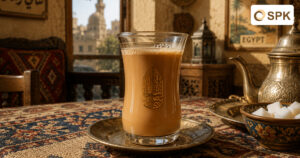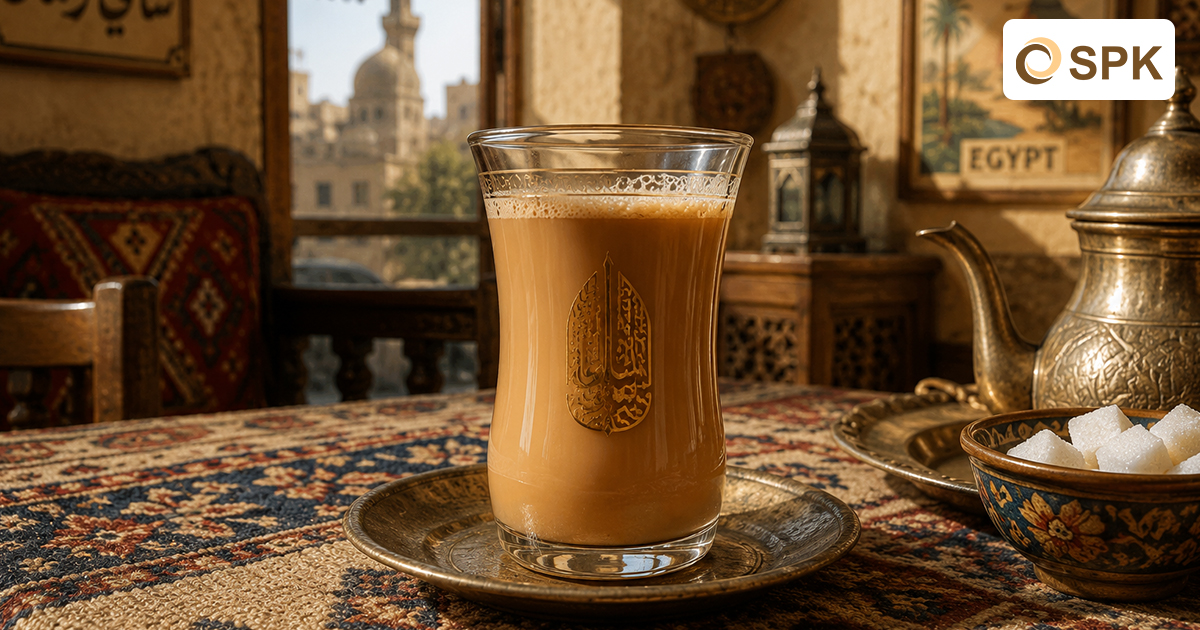
Milk tea has long been enjoyed across different cultures around the world. England is known for Earl Grey with milk, India for its rich and spiced chai, and Southeast Asia for ‘teh tarik’. In the Middle East, particularly in Egypt and Sudan, one of the most popular tea beverages is ‘Shai be Laban, which literally means ‘tea with milk’.
Today, as global consumers increasingly seek comforting and indulgent beverages, Shai be Laban presents strong inspiration for modern tea-based drink development. By incorporating high-quality creamer, manufacturers and beverage brands can recreate this traditional experience with improved creaminess, consistency, and operational efficiency.
The History of Tea Culture in Egypt
Tea consumption has been deeply rooted in Egyptian culture for centuries. Unlike tea traditions in England or China, where tea is often associated with ceremonies or specific occasions, tea in Egypt is an everyday necessity enjoyed by people from all social backgrounds at any time of day.
Tea symbolizes hospitality, friendship, and relaxation—reflecting the Egyptian appreciation for simple daily pleasures. Introduced to Egypt during the 16th century and becoming widely popular by the 19th century, tea—known locally as shai—eventually surpassed coffee as the nation’s preferred beverage.
Egypt consumes approximately 65,000 to 75,000 tons of tea annually, with average per capita consumption reaching 800–1,000 grams per year. Since Egypt does not produce tea domestically, most tea leaves are imported from countries such as Sri Lanka and Kenya.
Egyptians enjoy tea in many variations:
- Saidi tea from Upper Egypt, known for its strong and bitter profile
- Koshari tea from Northern Egypt, often served with sugar and fresh mint
- Shai bil nana, tea prepared with mint leaves
- Shai be Laban, black tea mixed with milk and commonly paired with biscuits or light snacks
Get to Know Shai be Laban
Shai be Laban is a traditional Middle Eastern milk tea popular in Egypt and Sudan. The drink is prepared by brewing strong black tea and combining it with hot milk, resulting in a richer, smoother, and slightly sweeter flavor profile.
The addition of milk helps soften the bitterness of tannins naturally found in black tea while creating a creamy mouthfeel that enhances the overall drinking experience.
Historically, the habit of adding milk to tea was influenced by British tea-drinking traditions. Over time, Egyptians adapted the concept to local tastes by incorporating sugar, honey, and aromatic spices into their tea preparations.
Traditionally, Shai be Laban is made using fresh milk. However, modern beverage applications increasingly utilize creamer as an alternative solution to achieve enhanced creaminess, better texture consistency, easier preparation, longer shelf life, and more efficient in storage and handling.
How to Make Shai be Laban (for 2 portion)
Ingredients:
- 2 cups of water (approximately 400 ml0
- 2-3 teaspoons premium black tea leaves (or 2 black yea bags)
- 3-4 tablespoons SPK creamer
- 2 tablespoons sugar (adjust to taste)
Authentic Spices (Optional):
- 3 green cardamom pods
- 1 clove
- 1 small cinnamon stick
Preparation Method:
1. Brew the Tea and Spices:
Combine water, black tea, cardamom, clove, and cinnamon in a small saucepan. Heat over medium heat until boiling.
2. Aroma Extraction:
Reduce the heat and allow the tea to simmer for 3–5 minutes to develop a stronger color and maximize spice aroma extraction.
3. Add Creamer and Sugar:
Add sugar and creamer directly into the saucepan. Stir thoroughly using a whisk or spoon until fully dissolved and smooth.
4. Final Blending Process:
Allow the tea to simmer again for about 1 minute after adding the creamer to create a well-blended texture with a light foam layer on the surface.
5. Serving:
Strain into serving cups and enjoy warm, creamy Shai be Laban!
A Modern Twist on a Traditional Beverage
Shai be Laban demonstrates how milk tea continues to connect cultures through comforting and familiar flavors. While traditional Egyptian recipes rely on fresh local milk, modern beverage manufacturers can utilize high-quality creamer solutions to recreate similar richness and mouthfeel with greater practicality and consistency.
For beverage brands and ingredient buyers, creamer offers strategic advantages in tea applications, which are :
- Stable creamy texture
- Consistent flavor delivery
- Cost-efficient formulation
- Convenient storage and distribution
- Flexible use across hot and cold beverages
As global demand for milk tea and ethnic-inspired beverages continues to grow, Shai be Laban provides a strong opportunity for innovation in modern tea product development.
Read also: Raf Coffee: Russia’s Signature Creamy Coffee