Valentine’s Day is often associated with romantic fine dining. However, for many people,
the celebration is actually about something simpler: comfort food. Comfort food refers to
dishes that provide emotional warmth and a sense of happiness. A bowl of pasta, a piece of
chocolate, or a creamy hot drink can feel even more satisfying when shared with someone
special. But why does this happen?
Comfort Food and Emotional Memories
According to psychologist Charles Spence from the University of Oxford, comfort food is
often consciously or unconsciously linked to positive past experiences. Many of these foods
were given during childhood as a form of care and affection.
As adults, people tend to return to comfort food when they feel emotionally vulnerable or
when they want to relive feelings of happiness. This is why comfort food is closely
connected to nostalgia, warmth, and emotional security.
What Makes Food “Comforting”?
Comfort food usually has several common characteristics:
- Easy to prepare or easily available
- Often associated with celebrations or special moments
- Rich in carbohydrates, sugar, or fat
- Warm, savory, or rich aroma
- Pleasant textures such as creamy, soft, or slightly crispy
Cultural and family traditions also play a big role. Many comfort foods come from recipes or
dishes passed down through generations, making them emotionally meaningful.
The Science Behind Comfort Food
Comfort food actually triggers a reward response in the brain. A specific brain area known as
the hedonic hotspot increases the desire for pleasurable tastes such as carbohydrates, fats,
and salt.
When we eat these foods, the brain releases dopamine, a neurotransmitter associated with
pleasure and reward. This chemical response improves mood and encourages us to seek out
enjoyable foods again.
Carbohydrate-rich foods also increase serotonin, often called the “happy hormone.”
Serotonin helps regulate mood, sleep, appetite, and emotional stability, which explains why
comfort food can reduce stress and enhance feelings of well-being.
Popular Valentine’s Comfort Foods
Celebrating Valentine’s Day with comfort food can create a more intimate and meaningful
experience. Some of the most popular choices include:
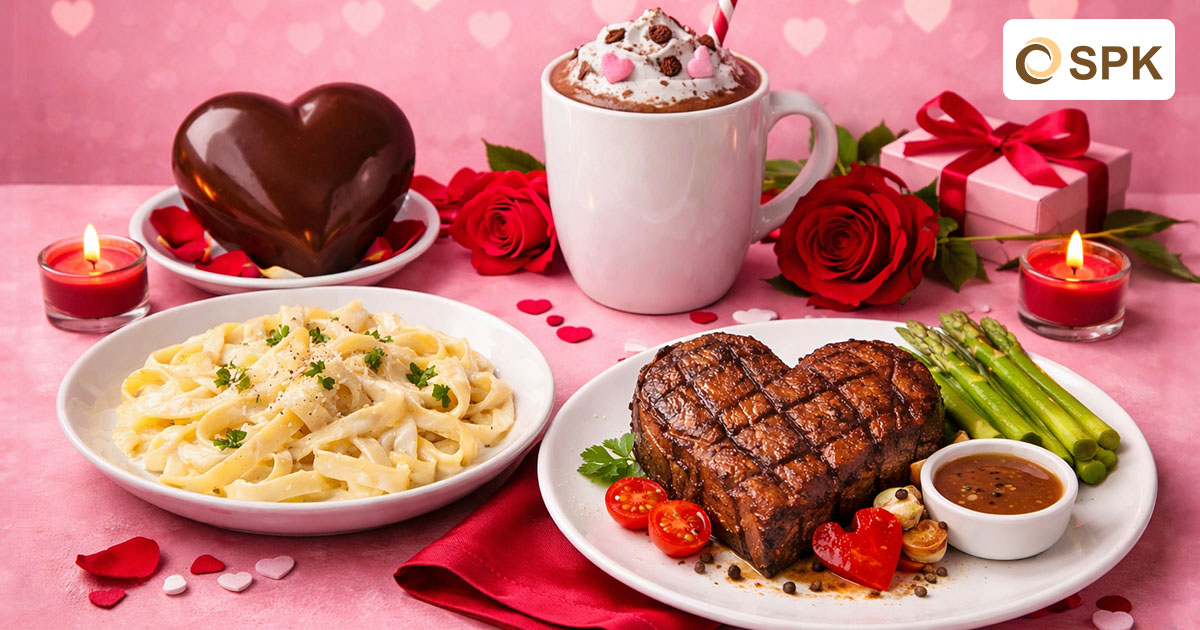
1. Pasta
Pasta is a favorite Valentine’s dinner option because of its versatility and rich flavor.
From hearty sauces like Bolognese to creamy dishes such as Fettuccine Alfredo,
pasta delivers both indulgence and comfort.
2. Chocolate
Chocolate is the ultimate Valentine’s comfort food. It acts as a natural mood booster
by releasing endorphins, serotonin, and phenylethylamine, the so-called “love
chemical.” Its rich taste, smooth texture, and romantic symbolism make chocolate a
timeless Valentine’s favorite.
3. Steak
Steak represents a luxurious yet comforting meal. Many couples prefer cooking steak
at home on Valentine’s Day to create a more personal and relaxed dining
experience, avoiding crowded restaurants.
Make Your Valentine’s Comfort Food Creamier with Creamer!
Indulging in creamy dishes like Alfredo pasta or a rich cup of hot chocolate is one of the
most genuine ways to celebrate love through the science of comfort food. The smooth
texture and rich flavor of these dishes are biologically proven to help reduce stress and
improve mood.
To achieve the perfect creamy consistency, ingredient quality matters. Adding a high-quality
creamer or coffee creamer enhances the texture, creating a smoother, more velvety
mouthfeel for chocolate drinks, desserts, and creamy sauces.
Whether you’re preparing hot chocolate, desserts, or creamy Valentine beverages, the right
creamer can elevate both taste and experience, turning simple comfort food into a truly
memorable moment.
Make this Valentine’s Day more special by choosing the right creamer to perfect every
comfort food creation.